
lilani hot springs resort
eco
tourism
community
client:
Department of Economic Affairs
Department of Tourism
Mthembu/Sithole Community Trust
location:
Umvoti
Northern Kwa-Zulu Natal
Publication:
IE magazine – june / july 2003
MErits:
Best community tourism award: 2004
Development:
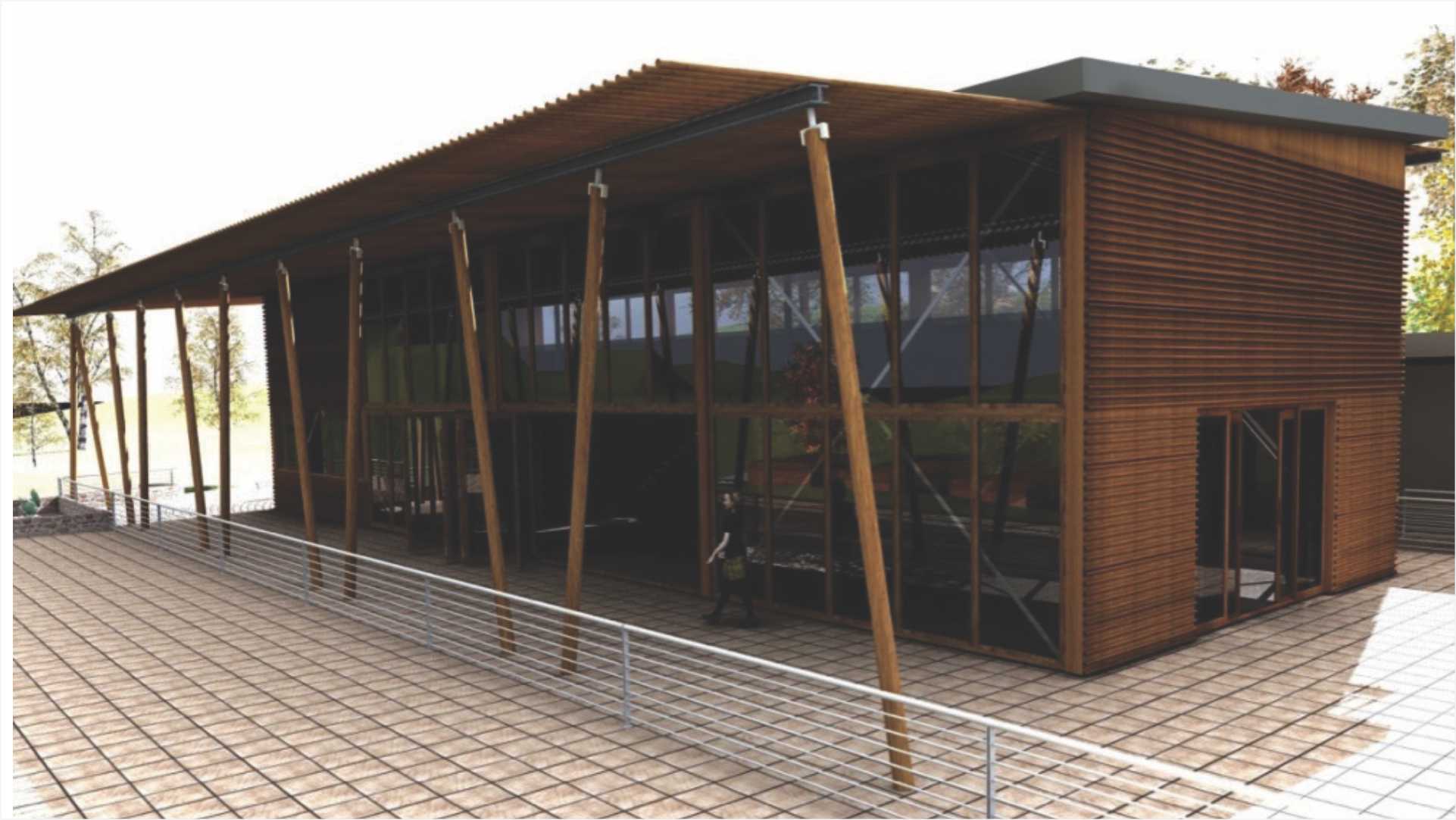
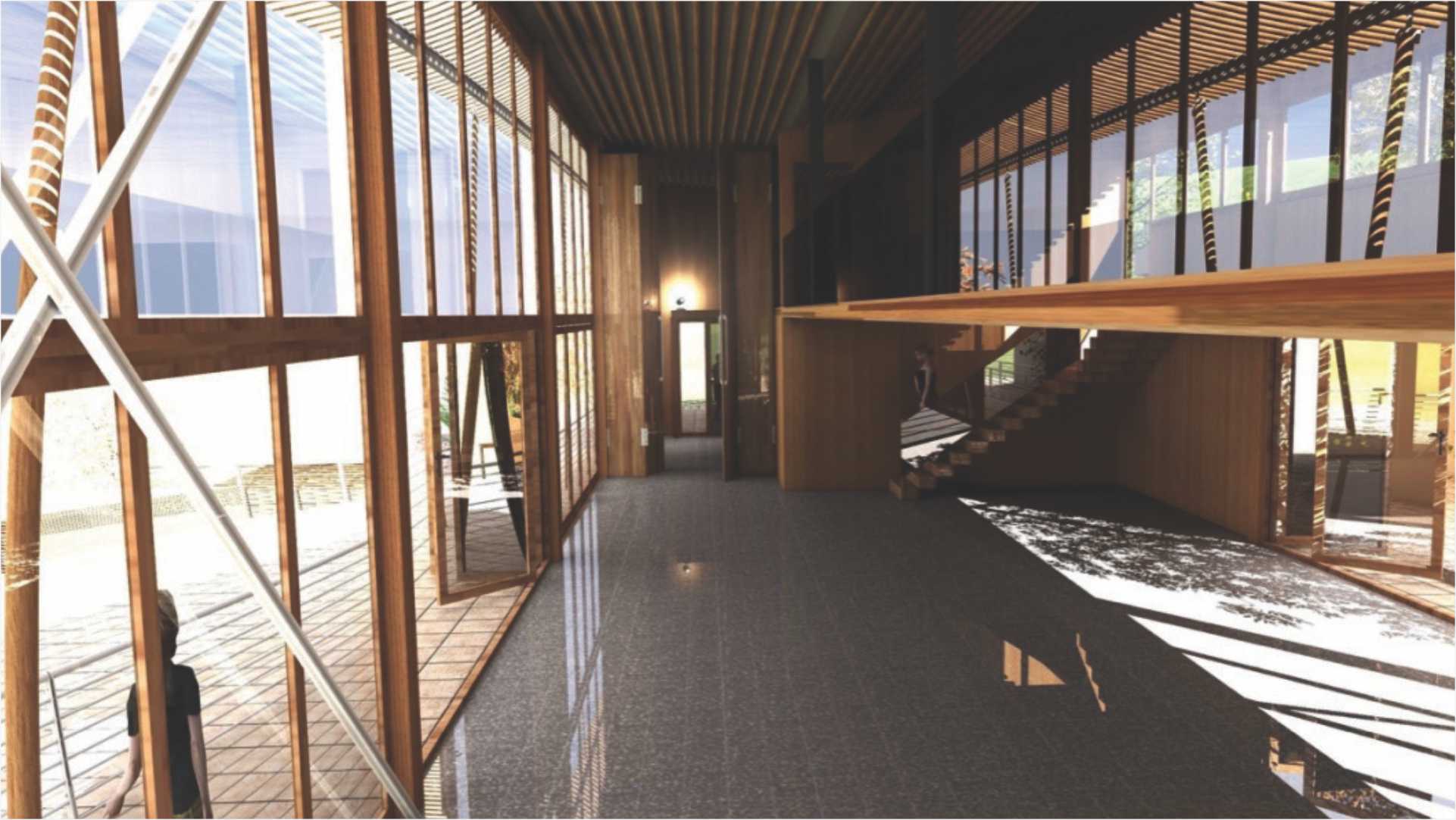
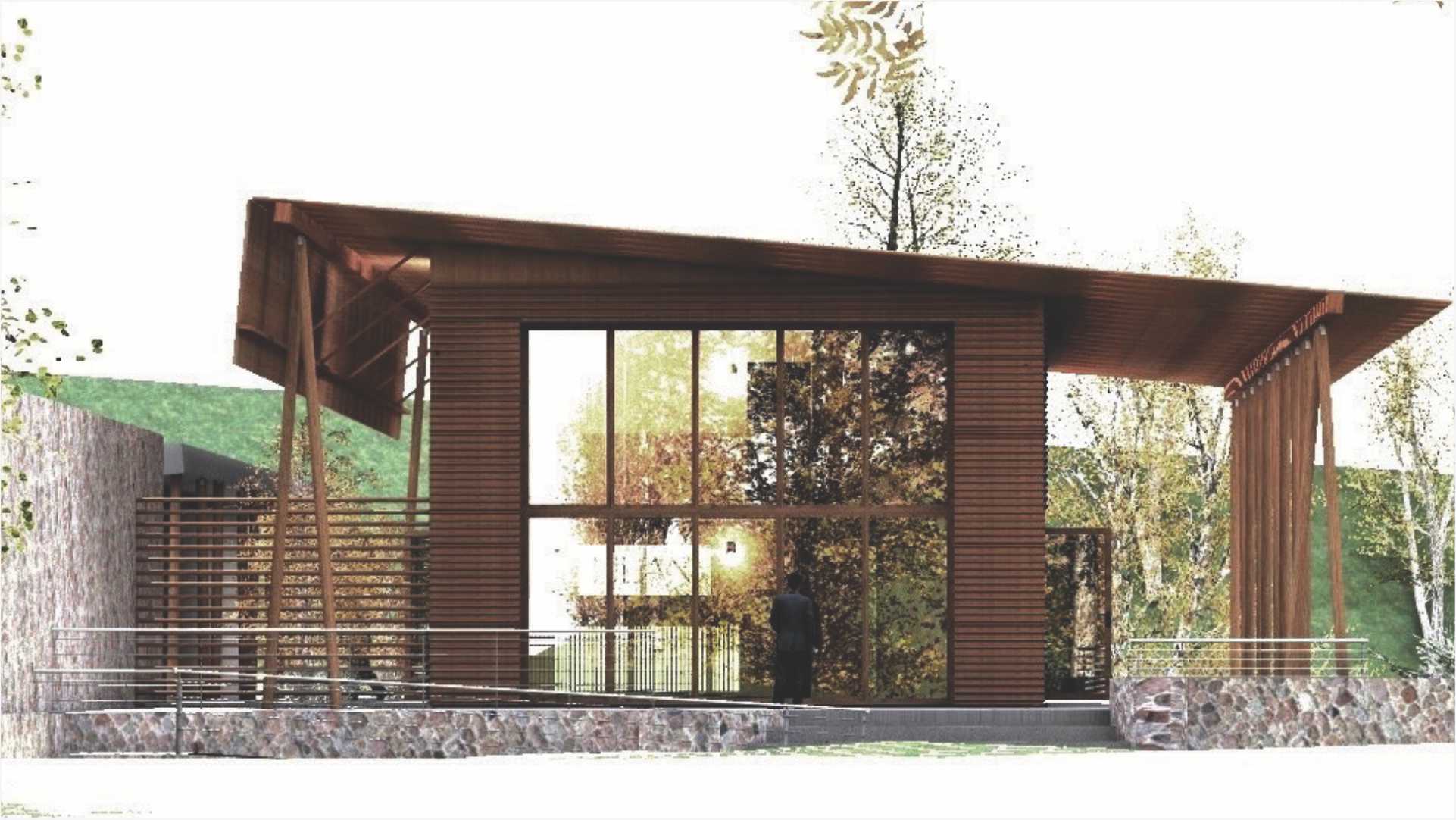
The development includes a spa and resort complex and involves the rehabilitation of the natural landscape. This was achieved through environmentally conscious design, material use and construction with the intention of encapsulating the cultural energies of the area.
Eco-sensitivity
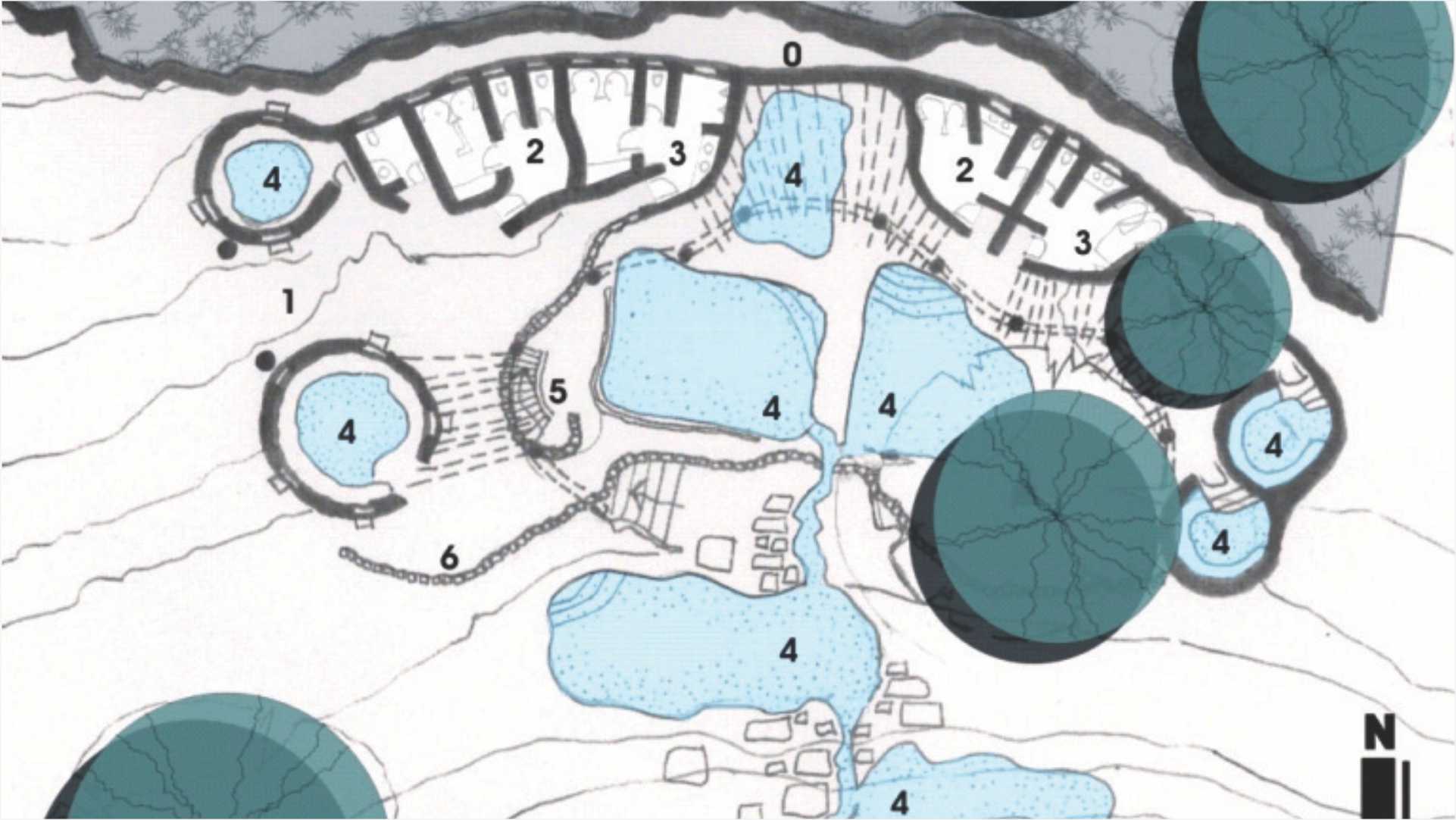
An assortment of communal hot mineral pools is sensitively sculpted into the landscape, discreetly carved into organic stone structures. The pools are supplemented by ablutions and change-room facilities. There is opportunity to re-program some enclosures for future use as massage therapy rooms or management offices. The architectural aesthetic facilitates a branding for tourism, drawing on Lilani’s unique natural character
Infrastructure Development
A business plan report was drafted along with an overall master-plan to enhance local tourism potential while protecting the natural features of the site. Target areas were developed in a phased strategy funded by the Government’s Poverty Alleviation Fund.
Community Involvement
Local folklore and skills were incorporated into the development, juxtaposing hand crafting and fabrication techniques, with the sculpting of tactile built forms. In addition, natural site resources are symbolically contrasted with contemporary materials.
The project aimed to further improve the lives of the local inhabitants by providing an extended source of income for the area as well as valuable skills training. All the stone used was sourced locally and collected by the community. Organic hot mineral pools, operate on a natural gravity feed water system, without disturbing the natural watercourse.
Phase 1 (1998-2000)
• completed master-plan concept
• existing disused buildings demolished
• analyses of local resources
• 5 pools rehabilitated
• new ablutions and change rooms
• new information office / reception
• new kitchen
• new self-catering rondavel units
• freshwater spring directed to facility
• camping site delineated
Phase 2 (2002)
• eight 4-sleeper self-catering suites
• ablutions
• communal kitchen (to become commercial)
• conference room / reception / boma
Phase 3
• extension of reception area + dining
• leisure centre development
• further accommodation